
The Ganges
From the crumbling grandeur of Kolkata’s boulevards to the terracotta temples of Bengal and the eternal rituals of Varanasi, the Ganges peels back two thousand years of empire, faith and craft — a river that has drawn travellers to its banks since long before maps.
Two thousand years of history, drifting past
The Ganges may begin as a trickle in the Western Himalayas, but as it powers across the plains it carries life, livelihood and an extraordinary cultural wealth to millions. Its waters have drawn travellers to its banks for thousands of years — and with them, a confluence of empires: the Mughals, the British, the French, the Dutch.
To sail it through Bengal is to read that history in its buildings, its people, its food and its faith. From the latte-coloured water you watch pilgrims bathe at dawn, terracotta temples rise from the banks, and the wide colonial boulevards of Kolkata give way to villages unchanged in centuries.
It is a journey we have made since 2003 — and one no road can offer.

Among the world’s 40 best cruising holidays.— The Guardian
The course of the river
Our voyages trace the Hooghly and the Ganges through Bengal and beyond — colonial trading posts, the temple towns of the Nawabs, and the spiritual heart of India at Varanasi.
A confluence of cultures, written on the banks
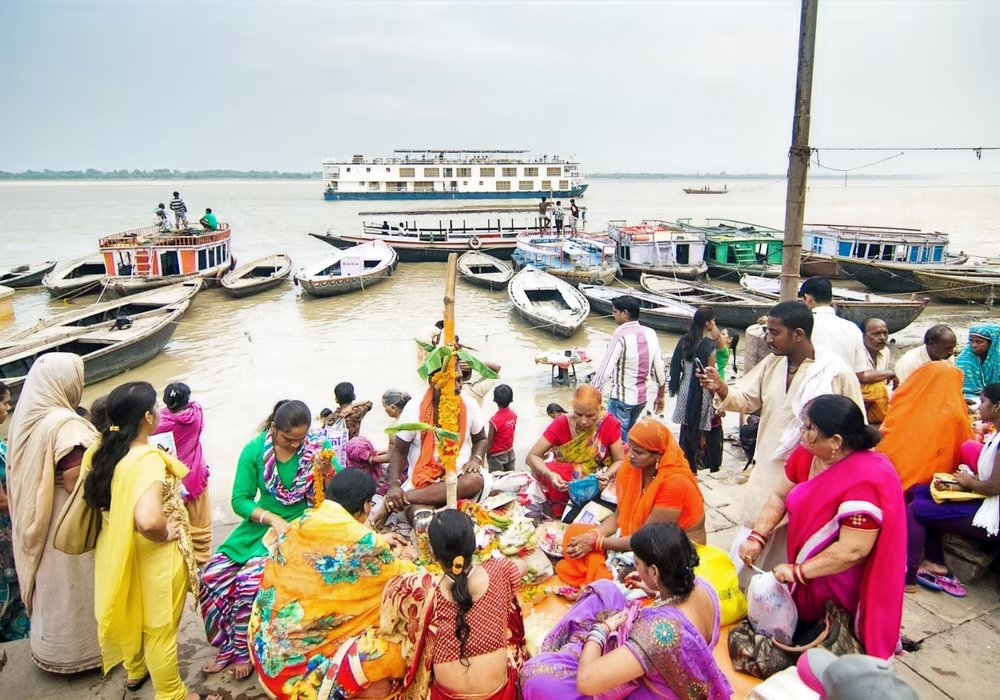
No river tells India’s story like the Ganges. Within a few days’ sailing you pass the French trading town of Chandernagore, the terracotta temples of Bengal, the palaces of the Nawabs of Murshidabad, and the great pilgrim cities of Mayapur and Varanasi.
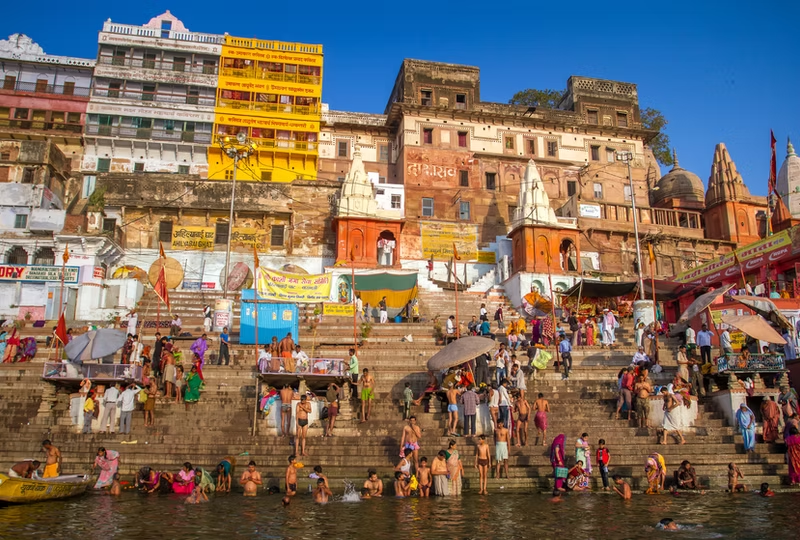
At dawn and dusk, the riverbank becomes a stage: the lamp-lit Ganga aarti, flowers and oil lamps set adrift on the current, and the quiet devotion of those who have come to the water’s edge for a lifetime.
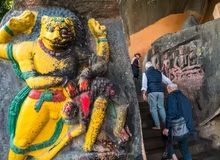
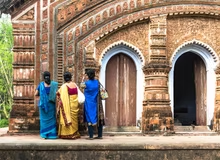
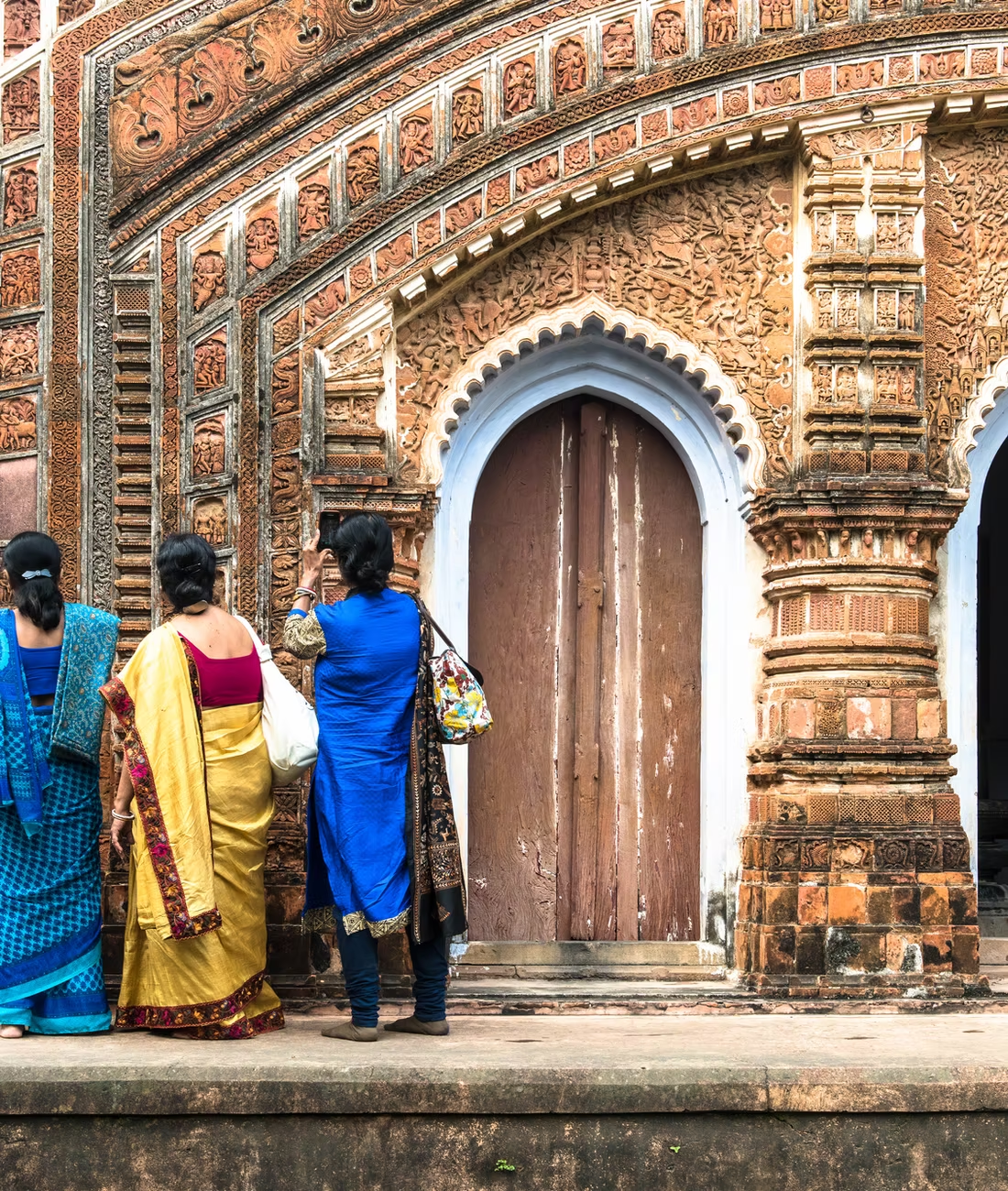
Terracotta temples
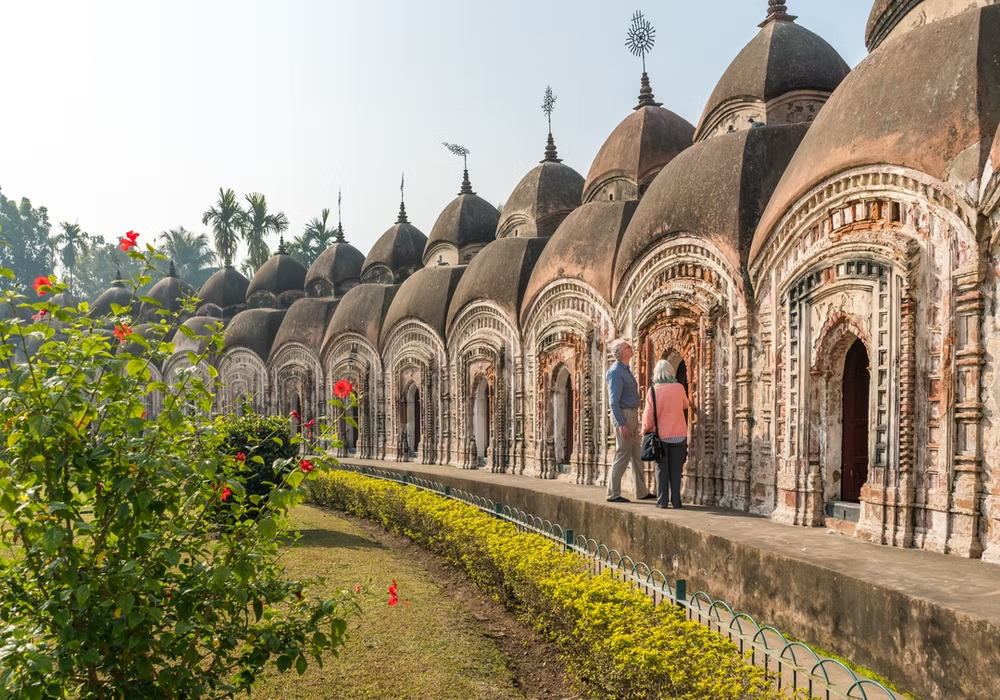
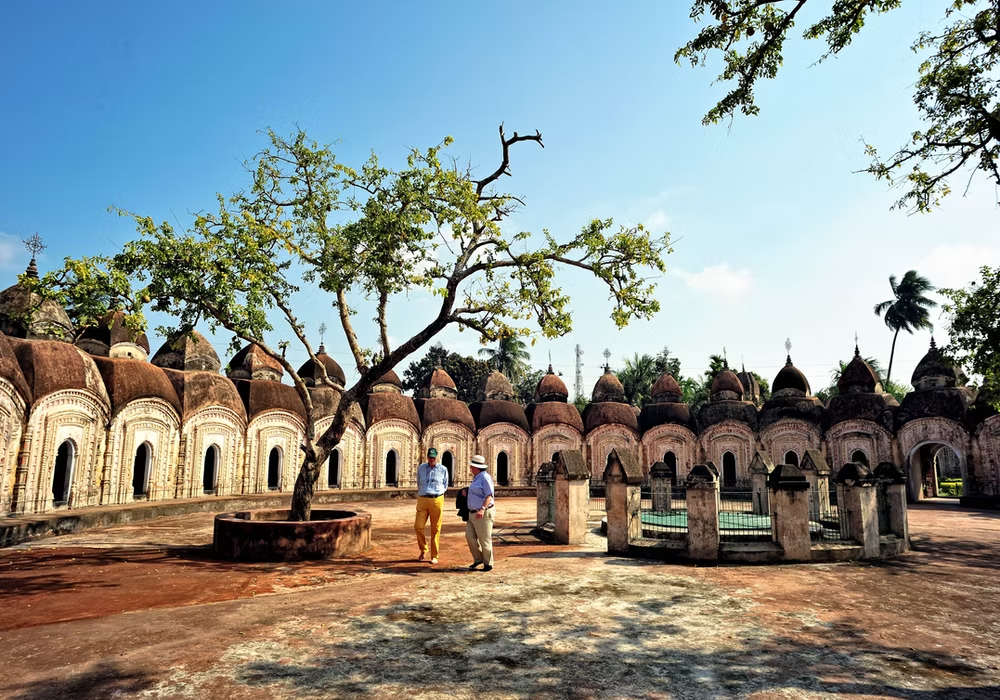
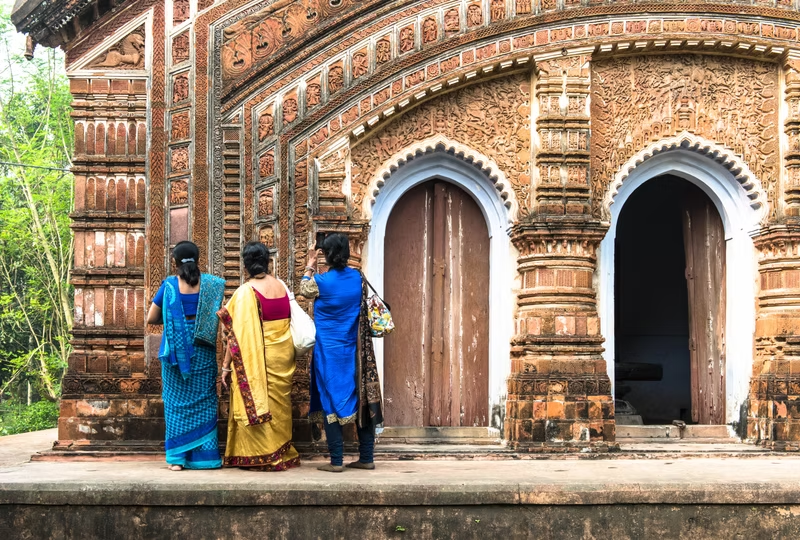
Intricate clay-tiled temples telling the epics in relief, found nowhere else on earth.
Colonial vestiges
The boulevards, palaces and trading posts of the British, French and Dutch.
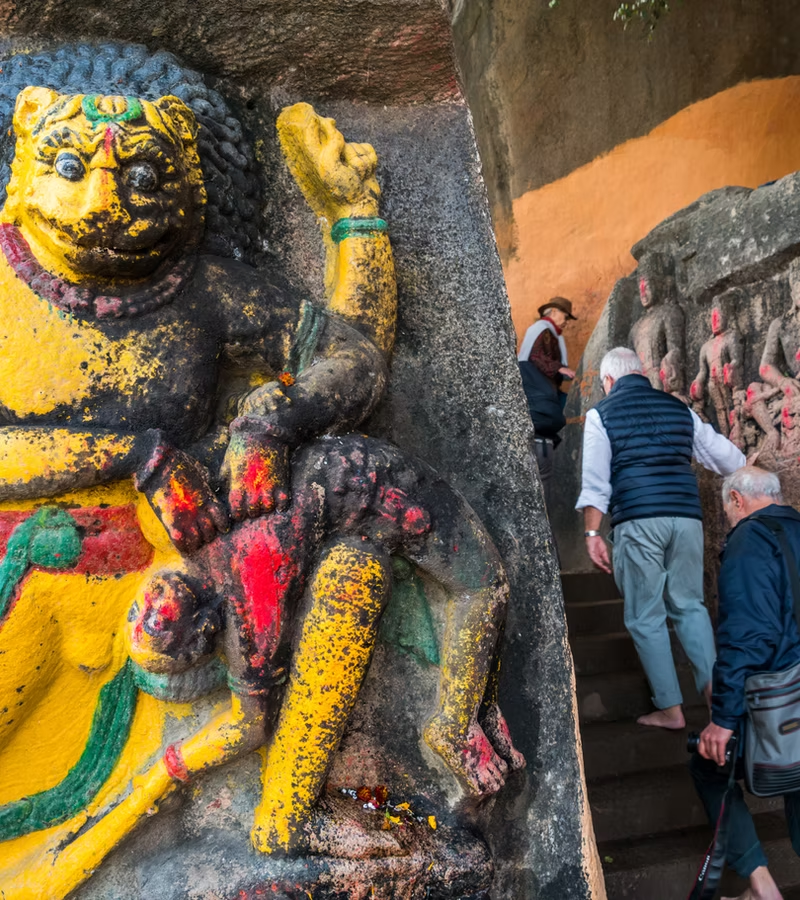
Sacred rituals
The lamp-lit Ganga aarti and the timeless devotion of the river’s edge.
Living crafts
Silk weavers, brass-workers and potters whose trades have endured for generations.
The Bengal beyond the guidebook
The Ganges is, above all, a river of people. Ashore you wander the flower markets and lanes of Kolkata, share sweets in a Bengali village, watch a potter at his wheel, and sit with a family as the evening prayers drift across the water.
Every excursion is small, unhurried, and led by someone who knows the story behind the stone — so that a temple is never just a temple, and a meal is never just a meal.
Stops along the Ganges
From the colonial capital to the spiritual heart of India — each mooring a different chapter of Bengal’s long story.
Kolkata
Wide boulevards, crumbling palaces and the energy of Bengal’s great city — the cultural capital of eastern India.
Chandernagore
A former French colony on the river’s right bank, its riverside promenade and church a fragment of Europe in Bengal.
Kalna
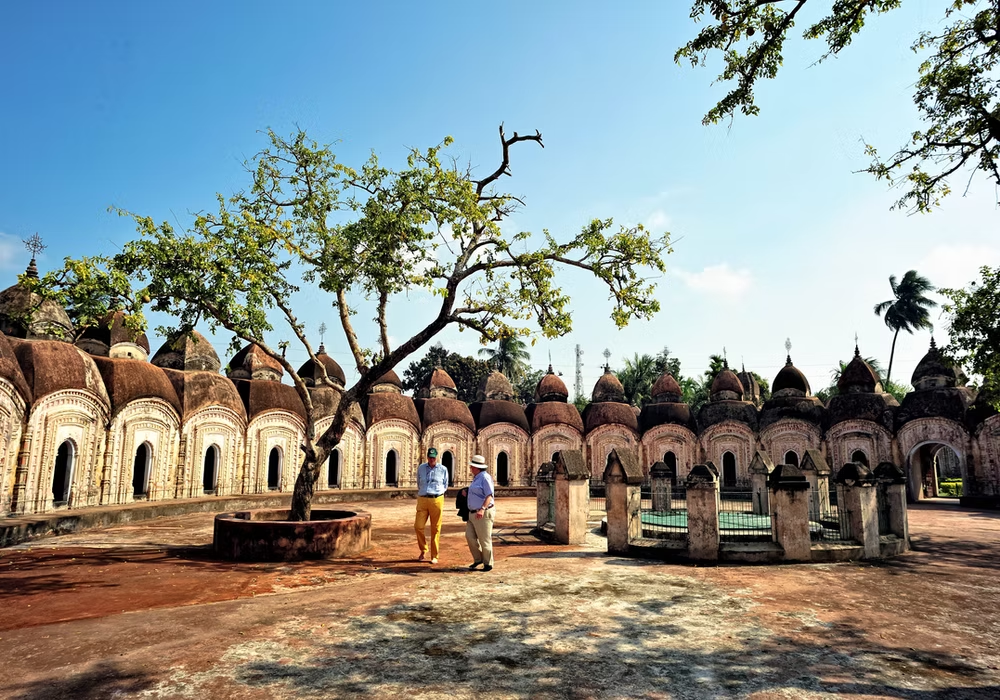
The extraordinary terracotta temples of Bengal, their clay tiles carved with scenes from the epics.
Murshidabad
The former capital of Bengal, where the palaces and mosques of the Nawabs line the Bhagirathi’s banks.
Mayapur
A great centre of pilgrimage and devotional music, where the river draws the faithful from across India.
Varanasi
The spiritual heart of India — the ghats, the dawn prayers and the lamp-lit Ganga aarti at dusk.
What you’ll experience
- The lamp-lit Ganga aarti ceremony at Varanasi
- The terracotta temples of Kalna and Bengal
- The French colonial quarter of Chandernagore
- The palaces and mosques of the Nawabs at Murshidabad
- Kolkata’s boulevards, markets and colonial grandeur
- A dawn sail past pilgrims bathing in the sacred water
- Devotional music and pilgrimage at Mayapur
- Bengali village life, sweets and craft traditions
- Silk-weaving and brass-working communities
- Sunset on deck as the riverbank comes alive with prayer
The Ganges’ seasons
We sail from October to April, when the river runs gentle and clear, the air is cool, and the great festivals light up the banks.
Festival season
Bengal’s great festivals fill the riverbanks with colour, light and music.
Good sailingPeak season
Cool, clear days and crisp mornings — the finest time to be on the river.
Best time to sailLate season
Warm and unhurried, with fewer travellers along the ghats.
Good sailingMonsoon
The river rises with the rains — we return to the water in October.
Off seasonGanges voyages
From the temples of the Hooghly to the ghats of Varanasi — each aboard our Ganges vessel, ABN Rajmahal.
Bestseller7 NightsHistoric Hooghly
Spiritual7 NightsCity of Light: Varanasi
 Pilgrim cities6 Nights
Holy Ganges
Grand voyage11 NightsGanges Max
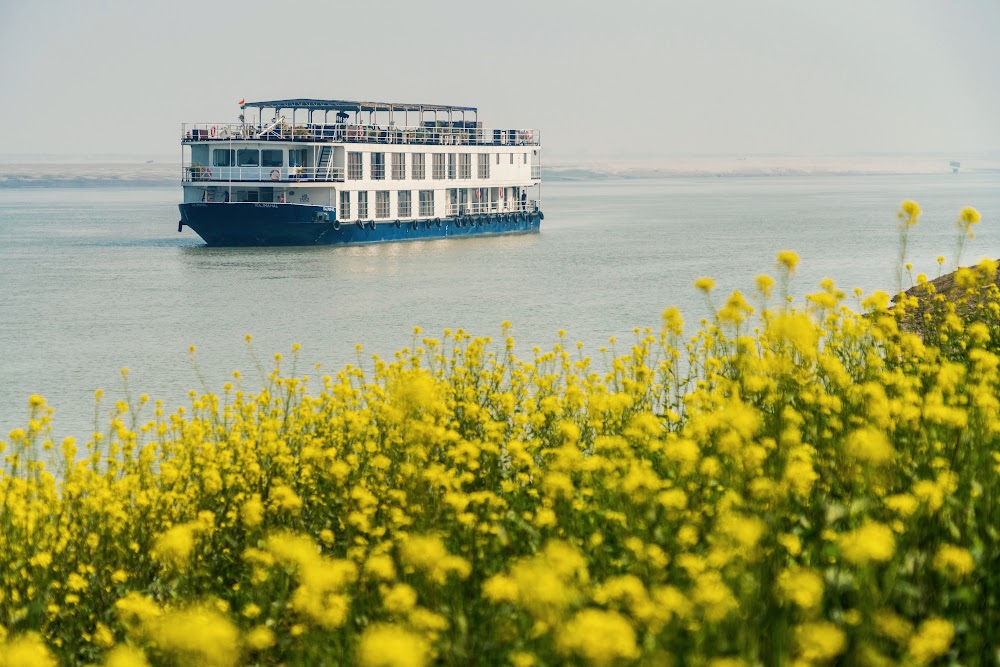
ABN Rajmahal
Colonial elegance on the Ganges — our Bengal vessel carries just twenty-two guests in handcrafted, river-view cabins, with a shaded upper deck and wide windows onto the passing life of the banks.
Teak and brass, locally woven textiles, and a crew of Bengalis who bring the river’s story to every sailing.
A photo essay
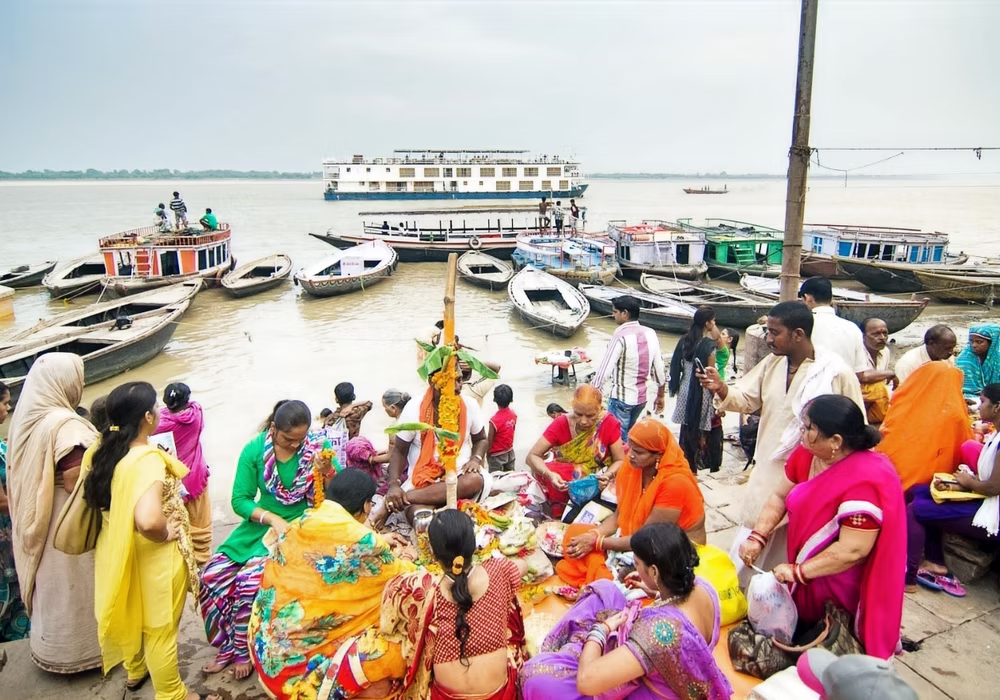 Rajmahal at VaranasiThe ghatsTime ashoreOn the river
 Aboard RajmahalRiverside Bengal
Sail the sacred Ganges with us
The original river-cruise line on India’s Brahmaputra and Ganges — sailing since 2003.